Messaging Frameworks
Tell the Story Your Buyer Needs to Hear.
We turn positioning into persona-driven messaging systems that align with how different buyers think, decide, and defend their choices.
Most companies talk to all their audiences the same, but your buyers only care about what matters to them.
We build marketing and sales messaging frameworks tailored to industry + role combinations — so what a CFO hears is different than what a VP of Operations hears. And both feel understood.
Expand Positioning into Persuasion Systems
Positioning defines who you are. Messaging frameworks define how you move people.
We translate your brand positioning into structured messaging architecture across:
- Core narrative
- Persona-level storylines
- Value pillars
- Objection responses
- Sales conversation anchors
- Campaign messaging themes
This isn’t copy.
It’s a repeatable persuasion framework your entire go-to-market team can execute.
Today’s Buyers Don’t Hear What You Say. They Filter It.
Buyers interpret everything through their role, KPIs, risks, politics, constraints, and impact to personal reputation.
If your messaging ignores those filters, it gets rejected — even if your product is strong. That’s why we don’t create general messaging.
We engineer persona-specific messaging aligned to:
- Industry context
- Functional role
- Buying influence level
- Risk tolerance
- Motivational drivers
- Buying factors
Messaging should feel like insight — not marketing.
Built from Buyer Intelligence. Not Brainstorms.
Most agencies workshop messaging internally. We start with buyer intelligence.
Using our buyer research methodologies and BuyerTwin simulations, we analyze:
- What buyers believe before they meet you
- What creates trust
- What creates doubt
- What creates urgency
- What language feels credible
- What language feels inflated
Then we build messaging frameworks that mirror buyer psychology.
When messaging echoes back what buyers already believe, trust accelerates.
A Complete GTM Messaging Architecture
A clearer market story, stronger buyer relevance, and practical language your team can use wherever prospects need to understand, trust, and choose you.
This is not just a messaging exercise or a set of polished headlines.
You walk away with a practical architecture that defines what you say, who you say it to, why it matters, and how that message should shift across channels, roles, objections, and stages of the buyer journey.
The goal is simple: give every team a shared language for creating clarity, building confidence, and moving buyers toward action.
Messaging Framework Blueprint
A central messaging system that defines your core narrative, value proposition, proof points, buyer pains, differentiation, and strategic language.
Persona-Level Messaging GuidesRole-specific messaging that clarifies what each buyer cares about, what they need to believe, and what language will resonate with them.
Industry + Role Narrative VariationsAdapted messaging for different markets, buyer types, and decision contexts so your message feels specific instead of generic.
Campaign Messaging PillarsA set of focused themes your marketing team can use to build campaigns, landing pages, content, ads, and nurture sequences.
Sales Conversation FrameworksPractical language for sales teams to explain value, lead better conversations, respond to buyer concerns, and create stronger alignment.
Objection & Risk Language GuideMessaging that helps your team address doubt, reduce perceived risk, and respond to the questions buyers are already thinking.
Trust-Building Proof MapGuidance on the evidence, claims, stories, outcomes, and validation needed to make your message believable.
Urgency & Trigger Language LibraryLanguage that connects your solution to buyer pain, change events, missed opportunities, and reasons to act now.

Andy Halko
Founder & CEO
Founder & CEO
I started Insivia in 2002 and for over 22 years I have had the chance to work directly with hundreds of companies and founders to redefine or reinvent their businesses.
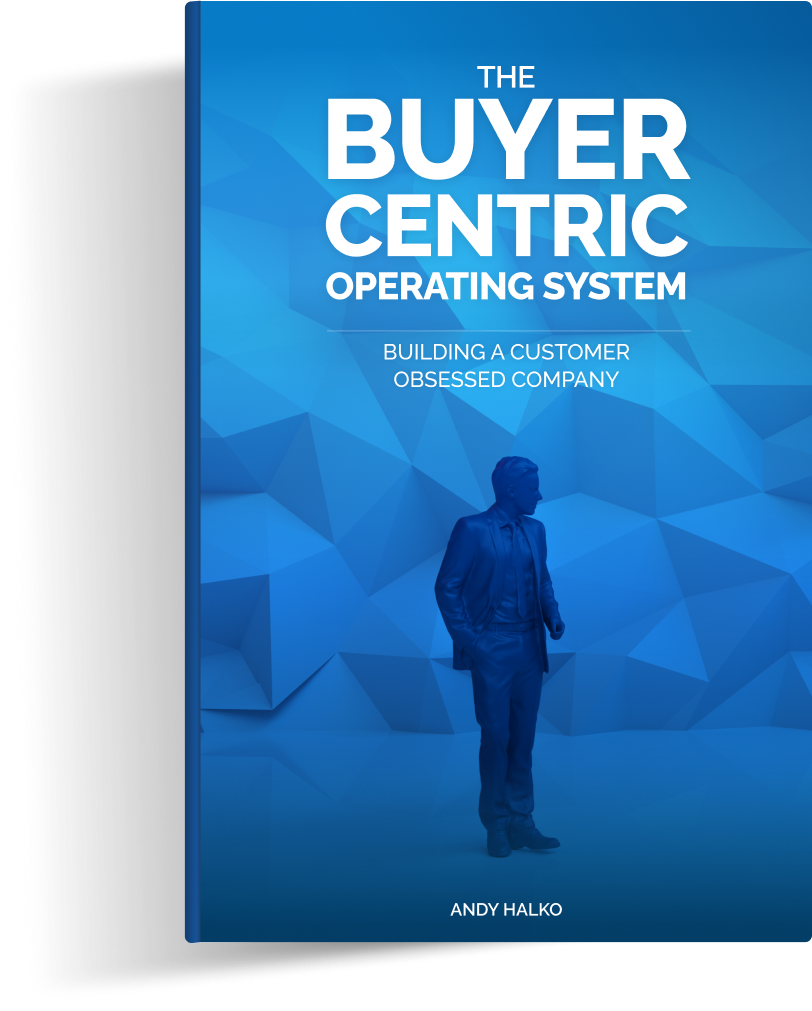
Buyer-Centric Operating System
Our Founder, Andy Halko, wrote the book on how to ensure organizations are centered around their customer and buyer psychology.