B2B SaaS Segmentation and Positioning: Choose Buyers You Can Serve
A SaaS company can win customers and still be poorly positioned. If each deal depends on a different promise, an unusual implementation, or a buyer your product struggles to serve, more sales can make the mismatch harder to see.
Segmentation, targeting, and positioning help you choose where your value is relevant and how to make it understandable. The starting point is the buyer’s situation: what needs to change, why it matters, what makes the decision difficult, and what evidence would support a commitment.
Choose a segment because you can help its buyers reach a worthwhile outcome and build a sustainable relationship around it. Then test that choice against customer experience and commercial evidence.
Segmentation, Targeting, and Positioning Make Different Decisions
- Segmentation identifies groups with meaningful differences in needs, use cases, buying conditions, or the way they receive value.
- Targeting chooses which groups deserve focused investment and which you will serve selectively or decline.
- Positioning explains why your approach is a relevant, credible choice for a target group compared with its alternatives.
Company size and industry can help you find potential customers. They do not, by themselves, explain why someone will change. Two companies in the same industry may have different workflow problems, implementation capacity, decision criteria, and tolerance for risk.
Also distinguish a customer segment from a buying role. A finance approver and an end user may participate in the same purchase. They need different evidence within one coherent account strategy, rather than contradictory promises.
Define Segments Around Differences That Change the Decision
Begin with customer and prospect conversations, implementation experience, sales evidence, and lost-deal feedback. Treat your initial segments as hypotheses to test.
- Problem and trigger: What changed, and what makes the current approach difficult to continue?
- Desired outcome: What result would make the purchase worthwhile, and who needs to recognize it?
- Buying constraints: Who must agree, what concerns could stop the decision, and what is the budget process?
- Delivery context: What integrations, migration work, training, or internal ownership are needed?
- Alternatives: Is the buyer comparing vendors, continuing a manual process, building internally, or delaying?
For example, teams replacing manual approvals may share a problem while differing in how much governance they need. A team seeking a quick departmental rollout may need a simple setup and clear first-use value. An organization coordinating several departments may need evidence about permissions, responsibilities, and rollout sequencing.
Those differences can justify distinct offers or messages. A different industry label without a meaningful change in the buying decision may not.
Choose Where You Can Deliver and Defend the Value
Evaluate potential segments against the capabilities and evidence you have today:
- Relevance: Does the problem matter enough for buyers to consider changing?
- Product and delivery fit: Can the product solve the use case without repeated exceptions or promises you cannot reliably fulfill?
- Credibility: Can you demonstrate the outcome, explain the implementation, and address the group’s main concerns?
- Access: Can you identify and reach the people involved in the decision through channels you can sustain?
- Relationship economics: Does the likely revenue support the acquisition effort and ongoing work needed to serve the customer?
A large addressable audience is useful only if you have a credible way to reach and serve it. A narrow audience can still have weak demand, entrenched alternatives, or delivery requirements your company cannot support. Specialization creates an opportunity to be more relevant; it does not guarantee conversion or growth.
Use Segment Economics to Test Customer Fit
In SaaS Metrics 2.0, David Skok recommends examining acquisition cost, customer value, churn, and payback by segment. The article also discusses how that analysis can inform changes to sales approaches, messaging, and product choices.
This is practitioner guidance, not proof that a particular company size or industry is always more profitable. Use consistent definitions and cost allocation, and distinguish observed results from forecasts. A strong-looking lifetime-value ratio is an estimate, not a substitute for understanding customer outcomes.
Review acquisition effort, retained revenue, expansion, and delivery demands together. A high-value contract can require extensive onboarding, support, or customization. A smaller account may fit a repeatable product and service model. Neither is automatically the better target.
Illustrative Example: More Revenue, Less Contribution
These invented figures compare earned subscription revenue and allocated delivery/support costs for two segments during the same quarter. They are not benchmarks or client results.
| Measure | Segment A | Segment B |
|---|---|---|
| Subscription revenue | $60,000 | $40,000 |
| Delivery and support costs | $42,000 | $12,000 |
| Contribution before acquisition costs and company overhead | $18,000 | $28,000 |
Contribution here means subscription revenue minus the stated delivery and support costs. It excludes acquisition costs, product development, company overhead, and taxes. It is not total profit or cash flow.
Segment B produces more contribution under these assumptions despite lower revenue. That finding should prompt investigation, not an automatic decision to abandon Segment A. Is extra work caused by a poor-fit use case, an unclear implementation promise, a temporary onboarding phase, or a service the customer values and would pay for?
Compare customers at similar stages, then review acquisition costs, retention, expansion, demand, and capacity before changing priorities. Our churn and retention article explains how cohort definitions affect the comparison. The expansion readiness article helps distinguish another customer outcome from a larger revenue target.
Turn the Segment Choice Into a Position Buyers Can Evaluate
Positioning should make the reason to choose you understandable in the context of the buyer’s alternatives. Start with the criteria buyers actually use, then identify where your strengths matter and what evidence supports them.
Use these questions to develop the argument:
- Which buyer situation are we especially equipped to serve?
- What important outcome can our approach support?
- Why would a buyer choose it over another vendor, internal work, or staying with the current process?
- What proof makes the difference credible?
- When would our approach be a poor fit?
A claim such as “the flexible platform for every business” leaves buyers to work out its relevance. A more specific position could explain that a product helps a defined type of operations team standardize approvals while preserving local responsibilities. That is an illustrative direction, not a claim to publish without product and customer evidence.
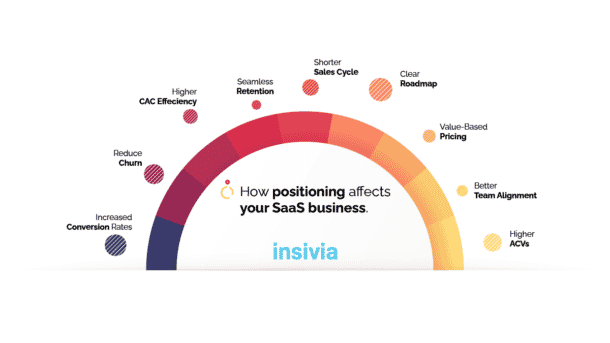
Test the position with people who resemble the target buyers. Ask them to explain who it is for, what changes, what they would compare it with, and what they still need to believe. Familiarity inside your company is not evidence that the message is clear outside it.
Carry the Same Position Through the Buying Experience
Adapt the evidence to the audience while keeping the core promise consistent. A department leader may need an outcome and rollout plan. A user may need to see the actual workflow. IT may need integration and access details. A finance approver may need a defensible explanation of cost and commitment.
Reflect those differences in use-case pages, demonstrations, case studies, proposals, and onboarding. A segment page should answer different questions or provide more relevant proof; changing the industry name in otherwise identical copy adds little.
Review whether the chosen buyers understand the offer, progress through evaluation, reach the promised outcome, and remain suitable customers. Examine lost deals and poor-fit wins alongside successful accounts. Refine the target, offer, or message when the evidence changes.
Buyer understanding gives segmentation its purpose. Brand strategy and positioning turn that understanding into a credible reason to choose you. The test is whether the buyers you pursue can recognize the value and your company can deliver it consistently.